Ask Our Reliable Insurance Brokers Today!
Protect Your Business with the Right Insurance Partner. Click now to get started on protecting your future with FD Beck!

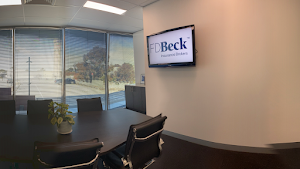
Our ability to access markets, undertake portfolio reviews enables our client to make successful decisions
Our ability to access markets, undertake portfolio reviews enables our client to make successful decisions
Our ability to access markets, undertake portfolio reviews enables our client to make successful decisions
When things go wrong, liabilities may affect your assets and reputation. That’s where FD Beck may help you through our competitive consultant and consulting business insurance.
Our ability to access markets, undertake portfolio reviews enables our client to make successful decisions
For protection and insurance of your residential investment & personal belongings in Australia. Get instant quote today!
Our ability to access markets, undertake portfolio reviews enables our client to make successful decisions
Australian Sole Traders & Small Businesses
Public liability insurance premiums can vary based on your occupation, business activities, turnover, claims history and selected cover limit. This guide explains the key pricing factors insurers may consider and how to compare quotes on a like-for-like basis.
Public Liability Insurance premiums can range considerably depending on the business being insured.
A lower-risk sole trader working primarily from an office or home may receive a substantially different quote from a tradesperson working at customer premises, a contractor performing excavation or a business regularly interacting with large numbers of people.
Published Australian insurance-market figures can provide a general benchmark, but they should not be treated as a quote for your business.
For example, some Australian insurance marketplaces publish average premiums based on their own customer data. These figures can be useful for general budgeting, but they reflect a particular customer base, insurer panel and period rather than a universal Australian price.
The most reliable way to establish what your business will pay is to obtain quotes based on your actual activities and circumstances, particularly if you are a small business owner comparing different business insurance options.
Important: Any industry averages or indicative figures should be treated as general information only. Your actual premium will depend on the insurer’s underwriting criteria and your individual risk profile.
Insurers assess a combination of factors when determining the premium for liability cover.
Two businesses in the same industry can receive different quotes because their activities, turnover, locations, claims experience and other exposures are not identical. Business owners should therefore expect pricing to reflect the specific circumstances of their operations rather than a single standard small business rate.
Your occupation and the exact work you perform are important pricing factors.
Businesses with relatively limited interaction with customers, worksites or third-party property may present a different liability exposure from businesses performing physical or higher-risk work.
For example:
| Risk tendency | Example business activities |
|---|---|
| Lower | Office-based consulting, bookkeeping, IT support, tutoring |
| Low to moderate | Photography, beauty services, domestic services |
| Moderate | Retail, cafés, cleaning and mobile services |
| Moderate to higher | Trades working at customer premises, landscaping, personal training |
| Higher | Construction, demolition, scaffolding and certain large events |
These categories are illustrative only. Insurers classify occupations differently and may apply their own underwriting criteria.
The description of your occupation alone may also be insufficient.
A carpenter completing internal fit-outs can present a different exposure from a carpenter regularly working at height. Similarly, a cleaner working in private homes may present different risks from a commercial cleaner operating in shopping centres or industrial facilities.
The more accurately you describe what your business actually does, the more accurately an insurer or insurance broker can assess appropriate cover and obtain a quote from an insurance provider.
Turnover is one of the factors many insurers use when assessing liability risk and pricing.
Higher turnover can indicate that a business performs more work, serves more customers or operates across more locations, potentially increasing its overall exposure to liability claims.
Insurers may also consider:
Turnover should therefore be considered alongside the nature of the business rather than as a standalone measure of risk.
A high-turnover office-based business does not necessarily present the same liability exposure as a lower-turnover contractor performing hazardous physical work.
Business information provided when arranging insurance should be accurate and kept up to date. Material changes to your operations should be discussed with your insurer or insurance broker, particularly where the change could affect your broader business insurance needs.
Where and how you interact with customers and members of the public can influence your liability exposure.
A business operating entirely online may have less direct public interaction than a café, retail store, market stall or contractor working in public areas.
Insurers may consider factors such as:
Greater interaction with members of the public can increase opportunities for accidental injury or property damage and may therefore form part of an insurer’s assessment.
Previous liability claims may influence how an insurer assesses your business.
A previous claim does not automatically result in a particular premium increase. Insurers may consider factors such as:
A business with repeated similar claims may be assessed differently from a business with one isolated incident several years ago.
Depending on the insurer and circumstances, claims history may affect the premium, excess, policy terms or whether an insurer is prepared to offer cover. Different Insurance policies may also apply different underwriting criteria to previous claims.
The number of people performing work on behalf of your business can also influence its liability exposure.
Employees and subcontractors may increase the number of jobs, worksites and interactions your business has with customers and third parties.
Insurers may therefore ask:
Requirements differ between insurers, so provide accurate information about how your workforce is structured.
The amount of Public Liability cover your business needs can depend on your activities, contracts and the requirements of clients, councils, venues or principal contractors.
For example, some NSW Government procurement opportunities require contractors to hold at least $20 million in Public Liability Insurance. Other businesses may use different limits, such as $5 million or $10 million, depending on their risk profile, contractual obligations and the options offered by their insurer.
The limit you select can affect your premium, but there is no universal pricing formula. The cost difference between $5 million, $10 million and $20 million cover will vary depending on the insurer and the nature of your business.
Before choosing a liability limit, review any contracts, tenders, leases or licensing requirements that apply to your work.
Clients, councils, venues, landlords and principal contractors may specify a minimum level of Public Liability cover before you can begin work or enter a site.
Contract requirements are not the only factor to consider.
Think about the potential scale of a third-party personal injury or property damage claim arising from your business activities. A contractor working on large commercial sites or around expensive third-party property may face different exposures from a lower-risk sole trader.
Increasing your liability limit may increase your premium, but the amount varies between insurers and businesses.
If you are deciding between $5 million, $10 million or $20 million cover, request comparable quotes using the same business information and excess so you can see the actual cost difference.
An excess is the amount you may need to contribute towards an insured claim, subject to the terms of your policy.
A higher excess can sometimes reduce the premium because the business retains a greater portion of the risk.
However, selecting a high excess simply to reduce the upfront cost can create a cash-flow problem if a claim occurs.
When comparing policies, consider:
Compare the premium and excess together rather than looking at either figure in isolation, especially when reviewing several Insurance policies for the same business.
In the Australian market, Public Liability and Products Liability are commonly provided together.
Public Liability generally relates to third-party personal injury or property damage arising from your business activities, while Products Liability generally relates to injury or property damage associated with products your business manufactures, sells, supplies or distributes.
If your business supplies products, the nature of those products and the potential exposure associated with them may also be relevant to underwriting and pricing.
Check the policy wording and schedule to understand the cover being provided. For many business owners, this combined liability cover forms one part of a broader business insurance strategy.
Public liability claims can involve more than compensation paid to an injured person or property owner.
An insured liability claim may also involve investigation and legal defence costs.
Whether legal costs are covered, how they are treated and whether they affect the applicable policy limit depend on the wording of the particular policy.
This is another reason to compare more than the headline premium and liability limit when considering different insurance options.
Online estimates can provide a rough indication of cost, but an actual quote requires accurate information about your business.
Provide specific information about the work you perform rather than relying only on a broad occupation title.
For example, specify whether you:
The insurer needs to understand your actual business activities to assess the risk accurately. This can also help an insurance provider determine whether the proposed cover is appropriate for your small business.
Before requesting quotes, have relevant information ready, including:
Insurers may request additional information depending on the business.
Review contracts, tenders, leases or licensing requirements for any specified liability limit or insurance conditions.
A client may also ask you to provide a certificate of currency as evidence that appropriate cover is current.
For a meaningful comparison, use consistent information when obtaining different quotes.
Compare the same:
Otherwise, a cheaper quote may simply reflect different assumptions or cover.
| What to compare | Why it matters |
|---|---|
| Premiu | Determines the upfront cost |
| Liability limit | Determines the applicable maximum level of cover |
| Excess | Affects your contribution if a claim occurs |
| Business description | Should accurately reflect your actual work |
| Exclusions | Identify circumstances where cover may not respond |
| Extensions | May provide additional protection relevant to your activities |
| Policy definitions | Can affect how important terms are interpreted |
| Legal defence costss | Check how defence expenses are treated |
| Products exposure | Relevant where your business supplies products |
Review the policy wording, schedule, exclusions and endorsements, together with the Product Disclosure Statement where applicable.
An insurance broker can help explain differences between available options and identify areas that may require closer attention, including whether other forms of business insurance should also be considered.
There is no standard monthly premium for every Australian sole trader.
Cost depends on factors such as your occupation, exact business activities, turnover, work locations, claims history, selected liability limit and excess.
Lower-risk businesses may pay relatively modest premiums, while trades, construction and other higher-risk activities can cost considerably more.
The best way to determine your actual cost is to obtain a quote using your current business information.
Your occupation and the activities your business performs can have a significant influence because they determine the type and severity of liability exposures an insurer is being asked to cover.
Turnover, business size, employees, subcontractors, claims history, liability limit and excess may also affect pricing.
The appropriate amount depends on your business, its exposures and any contractual or regulatory requirements that apply.
Contracts, tenders, councils, venues and principal contractors may specify a particular minimum limit.
Check these requirements before choosing cover solely on price.
It can.
However, the difference between $5 million, $10 million and $20 million limits varies between insurers, occupations and individual businesses.
Ask for comparable quotes if you want to understand the actual price difference for your business.
A higher excess may reduce the premium in some circumstances because your business retains more of the financial risk.
The available excess options and premium impact vary by insurer.
Choose an excess your business could reasonably afford if a claim occurs.
It can.
Turnover is one of the factors many insurers consider because it can help indicate the scale of your operations and potential exposure.
However, turnover is considered alongside factors such as your occupation and actual business activities.
Previous claims can influence an insurer’s assessment.
The insurer may consider the number, type, cost, frequency and circumstances of previous claims rather than applying a standard increase for every claim.
A Certificate of Currency is commonly used to confirm that specified insurance cover is current.
The process for obtaining or reissuing one can vary between insurers and brokers. Check with your insurer or insurance broker if you need a Certificate of Currency for a client, contract, tender or worksite.
Not necessarily.
A cheaper policy may have a different excess, exclusions, definitions or coverage conditions.
Compare what is covered, your liability limit, exclusions, excess and whether the policy accurately reflects your business activities before making a decision based primarily on price.
Public Liability Insurance premiums depend on your business rather than a single national price.
Getting an accurate quote means giving the insurer a clear picture of what you do, where you work, the size of your operations and the cover you require.
FD Beck can help you compare Public Liability Insurance options and understand the differences in limits, excesses and policy terms before you choose your cover, while also considering how liability protection fits within your wider business insurance needs.

For the past 27 years Simon has enjoyed a career in the Insurance industry as both a broker and underwriter. Prior to being a director at FD Beck Simon had a successful 8‐year management career with one of the worlds largest general insurers, which saw him deal with and structure insurance programs for some of Australia’s largest insurance purchasers.
Ask Our Reliable Insurance Brokers Today!
Protect Your Business with the Right Insurance Partner. Click now to get started on protecting your future with FD Beck!
Our Partners









© 2024 FD Beck & Sons Pty. Ltd – AFS License: 233784. ABN 68 004 455 038.
Terms, conditions, limits and exclusions apply to the products referred to above. The information provided here is general advice only and has been prepared without taking into account your objectives, financial situation or needs. You should consider these, having regard to the appropriateness of this advice, and the relevant Product Disclosure Statement, available by calling us on 1300 155 338, before deciding to acquire, or to continue to hold, this product.
Website & Digital Marketing by Laneways Software & Digital