Ask Our Reliable Insurance Brokers Today!
Protect Your Business with the Right Insurance Partner. Click now to get started on protecting your future with FD Beck!

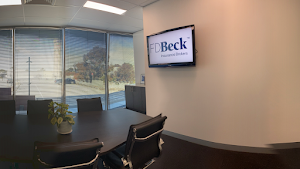
Our ability to access markets, undertake portfolio reviews enables our client to make successful decisions
Our ability to access markets, undertake portfolio reviews enables our client to make successful decisions
Our ability to access markets, undertake portfolio reviews enables our client to make successful decisions
When things go wrong, liabilities may affect your assets and reputation. That’s where FD Beck may help you through our competitive consultant and consulting business insurance.
Our ability to access markets, undertake portfolio reviews enables our client to make successful decisions
For protection and insurance of your residential investment & personal belongings in Australia. Get instant quote today!
Our ability to access markets, undertake portfolio reviews enables our client to make successful decisions
A guide for Australian sole traders, contractors, and small businesses. Understand what Public & Products Liability Insurance may and may not cover before arranging a policy, and how the liability section can fit within a broader Business Insurance or Business Pack arrangement.
Public liability insurance (also called PL insurance or PLI) pays the legal fees and compensation costs when your business activity causes personal injury or property damage to a third party. In Australia, it is one of the most fundamental forms of commercial insurance cover and an important type of business insurance.
In Australia, Public Liability and Products Liability are generally provided together as combined Liability cover. Depending on the policy wording and circumstances, this cover may respond to certain third-party bodily injury or property damage claims arising from insured business activities.
| Type of Loss | What It Includes | Potential Cover |
|---|---|---|
| Bodily injury | Physical injuries to a third party caused by your business activity or on your premises | May be covered, subject to policy terms |
| Third-party property damage | Damage to a client's or member of the public's property caused by covered business activities | May be covered, subject to policy terms |
| Legal defence costs | Solicitor fees, court costs, and other eligible legal expenses associated with defending a covered claim | May be covered, subject to insurer approval and policy wording |
| Compensation awarded | Damages ordered by a court or agreed in settlement, up to the applicable limit of indemnity | May be covered if the claim is accepted |
| Products liability | Injury or property damage caused by a physical product you sell, supply, manufacture, distribute or install | Generally bundled with Public Liability in Australia, subject to policy wording |
| Employee injuries | Injuries to your own employees while working | Generally not covered under Public Liability |
| Professional advice errors | Claims arising from negligent advice, design, or professional services, which may require professional indemnity insurance | Generally not covered under Public Liability |
| Your own property | Damage to equipment, vehicles, stock or premises you own | Generally not covered under Public Liability |
The policy may respond to allegations of legal liability as well as claims where liability is ultimately established, subject to the policy wording. Negligence is a common basis for liability claims and can involve consideration of whether a duty of care existed, whether it was breached, and whether that breach caused the bodily injury or property damage claimed.
Cover is not automatic merely because an incident occurs. Limits, conditions and exclusions apply, and the insurer will assess each claim against the relevant policy wording.
The term member of the public is broader than it may initially appear. For Public Liability purposes, third parties can include people or organisations outside your business, depending on the policy definition and circumstances, such as:
Your own employees are generally treated differently for workplace injury purposes. Workers Compensation in Australia is managed through state and territory-based schemes and authorities, with obligations depending on the relevant jurisdiction and employment arrangements.
FD Beck does not treat Workers Compensation as a single nationwide insurance product. FD Beck partners with a specialist Workers Compensation service business that can assist with the management of these policies. Personal Accident & Illness Insurance may also be available for sole traders who are not covered by Workers Compensation, subject to policy terms and individual circumstances.
Sole trader note: A sole trader may still face third-party liability allegations arising from their business activities. For example, accidental physical damage to a client’s property or bodily injury arising from an incident may potentially lead to a liability claim. Whether insurance responds depends on the policy wording and circumstances.
Important: Even if an occupation does not have a statutory insurance requirement, a client or hiring contractor may require a certificate of currency before engaging the business. Contract terms, licensing requirements and policy wording should be checked carefully.
These examples illustrate the kinds of incidents that may result in public liability claims. They are drawn from common claim patterns for Australian small businesses and contractors.
A customer slips on a wet floor at your shop or office and fractures their wrist. Depending on the circumstances and whether legal liability is established, a Public Liability policy may respond to eligible bodily injury compensation and associated defence costs.
You are a tradesperson working in a client’s home and accidentally damage their kitchen benchtop. The resulting cost of physical damage to the client’s property may potentially fall within the Public Liability section, subject to the policy terms and exclusions.
Your ladder falls on a bystander at a worksite. The injury leads to a hospital stay and a compensation claim lodged against your business. Depending on liability and the applicable policy terms, the claim may be covered.
You operate a stall at a market and a display stand falls, damaging a neighbouring trader’s stock. A claim for the cost of physical damage to the third party’s stock may potentially fall within Liability cover, subject to the policy terms.
A courier trips over a box left in your warehouse doorway. The incident may result in an allegation of legal liability if it is alleged that the business created or failed to address a hazard. Whether the policy responds depends on the circumstances and policy wording.
Water from burst pipes at your leased office floods the tenancy below. If your business is legally liable for physical damage to the neighbouring business’s insured property or stock, Public Liability may respond, subject to policy terms, conditions and exclusions.
These are illustrative examples only. Actual policy coverage depends on the specific wording of your policy. Always read your Product Disclosure Statement (PDS) and Financial Services Guide (FSG).
Depending on the policy wording and whether a claim is accepted, Public & Products Liability Insurance may respond to a range of eligible costs associated with a covered third-party liability claim.
Important: Legal costs can be significant even where liability is disputed. Whether defence costs are insured, and whether they form part of or are payable in addition to the policy limit, depends on the applicable policy wording. Limits, conditions and exclusions apply.
Public liability insurance may cover incidents arising from insured business activities at a range of locations, rather than only at a single fixed premises. Territorial limits and policy conditions apply.
At your business premises
When you work off-site
Many Australian Liability policies provide an Australian territorial scope, although the exact geographic limits vary between insurers and policies. Overseas activities, exports, overseas jurisdictions and work performed outside Australia may be subject to restrictions or exclusions. Refer to the policy schedule, PDS and FSG before relying on cover for cross-border activities.
Some policies may include certain advertising-related liabilities or extensions, while others may exclude them. These should not be assumed to form part of standard Public Liability cover. Refer to the applicable policy wording.
Understanding the exclusions is just as important as knowing what is covered. Public Liability is designed primarily for specified third-party bodily injury and property damage exposures. It does not replace other forms of Business Insurance.
The phrase “does public liability insurance cover theft?” is a common search. The answer is generally no. Public Liability is concerned with legal liability for covered third-party bodily injury and property damage, rather than loss of the insured business’s stock or contents through theft.
Limits, conditions and exclusions vary between insurers. Refer to the relevant PDS and FSG when considering a specific product.
Public liability cover is not legally mandated in most Australian industries, but it may be required under certain licences, contracts, leases, permits or commercial arrangements. The following examples are general only and do not determine whether a particular policy is appropriate for an individual business.
Public Liability requirements vary according to the occupation, licence, contract, lease, permit and Australian state or territory. Examples can include:
How much cover is available? Australian policies are commonly offered with limits such as $5M, $10M and $20M. The limit selected should take into account applicable contractual, licensing or other requirements as well as the insurer’s available terms. This general information does not determine which limit is appropriate for a particular insured.
Public liability is one piece of a broader business insurance picture. Understanding how it relates to adjacent policies can help distinguish the risks each type of insurance is designed to address.
May cover certain third-party bodily injury and property damage claims arising from insured business activities or products, subject to the policy terms. Public and Products Liability are generally bundled together in the Australian market.
May cover certain claims involving financial loss or injury arising from professional advice or services. It can be relevant to businesses such as consultants, advisers, IT professionals, accountants, engineers and other professional service providers.
Deals with work-related injury or illness under Australian state and territory-based Workers Compensation arrangements. FD Beck partners with a specialist Workers Compensation service business that can assist with policy management.
In Australia and the UK, public liability is the standard term for this cover. In the United States, the equivalent product is known as commercial general liability (CGL) insurance, which may have a different structure and breadth of cover. Australian Public and Products Liability are generally bundled together, so an Australian policy should not be assumed to operate in the same way as a US CGL policy.
Public & Products Liability (Australia)
Commercial General Liability (USA)
Personal liability is a term more commonly used in household or travel insurance contexts — it can relate to an individual’s liability for certain events occurring outside business activities. Public & Products Liability is instead designed for specified third-party liability exposures arising from insured business activities. The applicable policy terms should be considered before determining whether cover may respond.
When comparing any of these insurance products, refer to the relevant PDS and FSG.
When considering Public & Products Liability Insurance for an Australian sole trader or small business, several factors may affect the cover available and the terms offered by an insurer.
Check whether a client, council, landlord, principal contractor, licensing body or other party specifies a particular Liability limit or insurance requirement.
Common Liability limits include $5M, $10M and $20M. The appropriate limit cannot be determined from general information alone and may depend on contractual requirements, business activities and insurer underwriting.
A broker can compare available insurer terms, including limits, excesses, exclusions, insured activities and premiums. Price should be considered together with the scope and conditions of cover rather than in isolation.
Australian insurers are required to provide a PDS. Review the relevant definitions, limits, exclusions and conditions together with FD Beck’s FSG before deciding whether to acquire a particular insurance product.
Where cover is arranged, a Certificate of Currency (CoC) may be provided as evidence of the policy details and period of insurance. Clients, councils, principal contractors or site managers may request a current CoC where insurance is a contractual requirement.
Changes to business activities, turnover, staffing, locations, products or contractual requirements may affect an insurer’s assessment of the risk. Policyholders should notify their broker or insurer of relevant changes in accordance with the policy terms and applicable disclosure obligations.
May cover certain third-party bodily injury and property damage claims
May cover eligible compensation and legal defence costs, subject to policy terms
Does not cover your own injuries, employees, or professional advice
Common limits of indemnity in Australia include $5M, $10M and $20M, although requirements vary. Limits, conditions and exclusions apply. Refer to the relevant Product Disclosure Statement (PDS) and Financial Services Guide (FSG) when considering cover.
What factors should I consider when comparing public liability insurance policies?
Factors may include the insured activities, Public & Products Liability limit of indemnity, excess, exclusions, geographic limits, subcontractor provisions, policy definitions and insurer terms. Price alone should not be used to assess the breadth or suitability of cover. Refer to the relevant PDS and FSG.
How can I get a quote for public liability insurance as a small business?
A broker can obtain information about the business activities, turnover, locations, claims history and required limit of indemnity and approach insurers for available Public & Products Liability terms. Quotes remain subject to insurer underwriting and the information provided.
Does public liability insurance cover claims made after the policy expires?
This depends on the policy structure, the date of the occurrence, notification requirements and the applicable policy wording. Public Liability policies commonly operate differently from claims-made Professional Indemnity policies, so the relevant PDS, policy schedule and FSG should be checked rather than assuming a claim will be covered.
How much does public liability insurance cost for a sole trader in Australia?
Premiums vary according to factors such as occupation, business activities, turnover, location, claims history, selected limit of indemnity, excess and insurer underwriting. A lower premium does not necessarily provide broader cover, so policy terms, conditions and exclusions should also be considered.
Is public liability insurance tax-deductible for Australian sole traders?
Tax treatment depends on the circumstances of the business and applicable taxation rules. Insurance brokers do not provide tax advice, so a registered tax professional should be consulted where tax treatment is relevant.
FD Beck can provide general information about Public & Products Liability options available from Australian insurers and assist with obtaining quotes, subject to insurer underwriting and policy terms.

For the past 27 years Simon has enjoyed a career in the Insurance industry as both a broker and underwriter. Prior to being a director at FD Beck Simon had a successful 8‐year management career with one of the worlds largest general insurers, which saw him deal with and structure insurance programs for some of Australia’s largest insurance purchasers.
Ask Our Reliable Insurance Brokers Today!
Protect Your Business with the Right Insurance Partner. Click now to get started on protecting your future with FD Beck!
Our Partners









© 2024 FD Beck & Sons Pty. Ltd – AFS License: 233784. ABN 68 004 455 038.
Terms, conditions, limits and exclusions apply to the products referred to above. The information provided here is general advice only and has been prepared without taking into account your objectives, financial situation or needs. You should consider these, having regard to the appropriateness of this advice, and the relevant Product Disclosure Statement, available by calling us on 1300 155 338, before deciding to acquire, or to continue to hold, this product.
Website & Digital Marketing by Laneways Software & Digital